
BTL Mortgages for First-time Landlords
We’ll help you source and secure the best deals for your property investment

How to get started with buy to let
Buy to Let is a long term investment, so there are a number of factors to consider when getting started with your first BTL property investment:
- Will the buy to let mortgage be in your individual name, or for an SPV Limited Company, Trading Company, or another entity?
- Choose your property type
- Consider rental income vs repayments
- Understand what your deposit requirements will be
- What are your plans for the property? This will determine the type and length of mortgage you need.
What we’ll need to match you with the right mortgage
1. Who, or what, is applying for the mortgage?
First, will you apply in your own name or use a Special Purpose Vehicle (SPV) Limited Company or Trading Company? Benefits exist for each of these, so it’s important to fully understand which best suits you and your property investment needs.
2. BTL property types
Secondly, what type of property are you investing in? More complex property types may require a more specialist mortgage product. For example, not every buy to let mortgage can be used for HMOs or flats over commercial property.
Speak to our expert brokers about the type of property you want to mortgage and they’ll be able to help!
3. Your property investment plans
Finally, you need to consider what you’re looking for from your mortgage product. The ‘best’ rate available to you isn’t necessarily the cheapest, and understanding all the fees and associated costs is an important consideration.
You may be looking for financial security over a long period of time; in which case, a five or ten-year fixed may be right for you. Or, you may be hoping to secure finance for a short term overall to meet your future plans. Perhaps the option to secure further advances (additional borrowing) in the future, or the security of knowing your recommended lender allows Product Transfers is a priority.
Once you’ve made these decisions, your broker can then start to discuss the types of rates you could access. Don’t worry, your broker will give you expert advice on the amount you can borrow and the types of mortgage rates on the market to help you achieve your property finance goals.
Learn more about your buy to let borrowing options…
Mortgage Finder
Search the latest rates to get an instant quote and work out how much you could borrow and what your monthly repayments would be with our simple mortgage calculator.
Search ratesYour Buy to Let Property Types
The buy to let rental market offers you a wide range of opportunities to diversify your property portfolio, as many different property types fall under the umbrella of buy to let. Whether you’re looking for a ‘vanilla’ investment or a more complex property, it’s important to understand how lenders will review your mortgage application, the type of experience they’re looking for, and to be aware of the types of rates and rental yields on offer for these properties.
Here are some of the most popular sectors that we support landlords like you with:
• HMOs
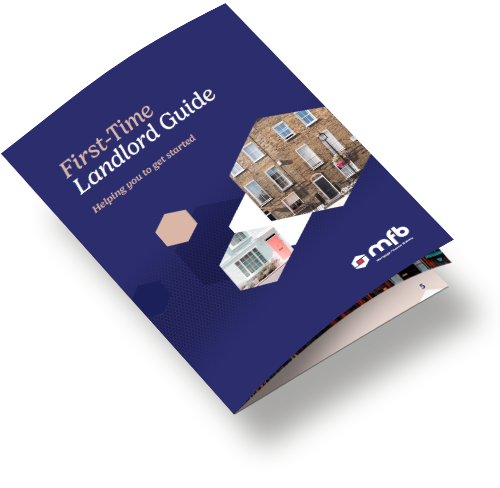
A Guide for
first-time landlords
Are you considering starting your property investment journey? We've put together a guide for starting out as a landlord, containing everything you need to know to get started with buy to let. Download your copy here.
Competitive Buy to Let Mortgage Secured for First-Time Landlord in 12 Days
Early planning and our wide market access enabled our first-time investor client overcome affordability challenges and arranged a fast, competitive mortgage.
Talk to an expert
Our friendly experts would love to hear from you. Give us a call, drop us an email, or choose a convenient time for us to get in touch.


Meet your mortgage makers.
Five Tips for Starting Your Property Investment Journey
As a first-time landlord, starting your property investment journey can be daunting. But don't worry! We answer the top FAQs we hear from aspiring property investors.
Find out how much you can borrow
Use our calculator to get started with your BTL property investment plans.
Learn more about buy to let mortgages
Search the latest BTL mortgage rates
Use our BTL calculator to search thousands of mortgage rates to find the best deal for you.
How much can I borrow?
Use our buy to let calculator to get started with your property investment plans
Limited Company
Mortgages
All you need to know about buy to let mortgages for Limited Companies and the benefits of limited company borrowing.
It’s time to remortgage
We’ll help you secure the best remortgage deal for your property investment needs.